

Does Eating Fast Mean ‘Good’ Food? Palatability vs. Quality in Pet Diets

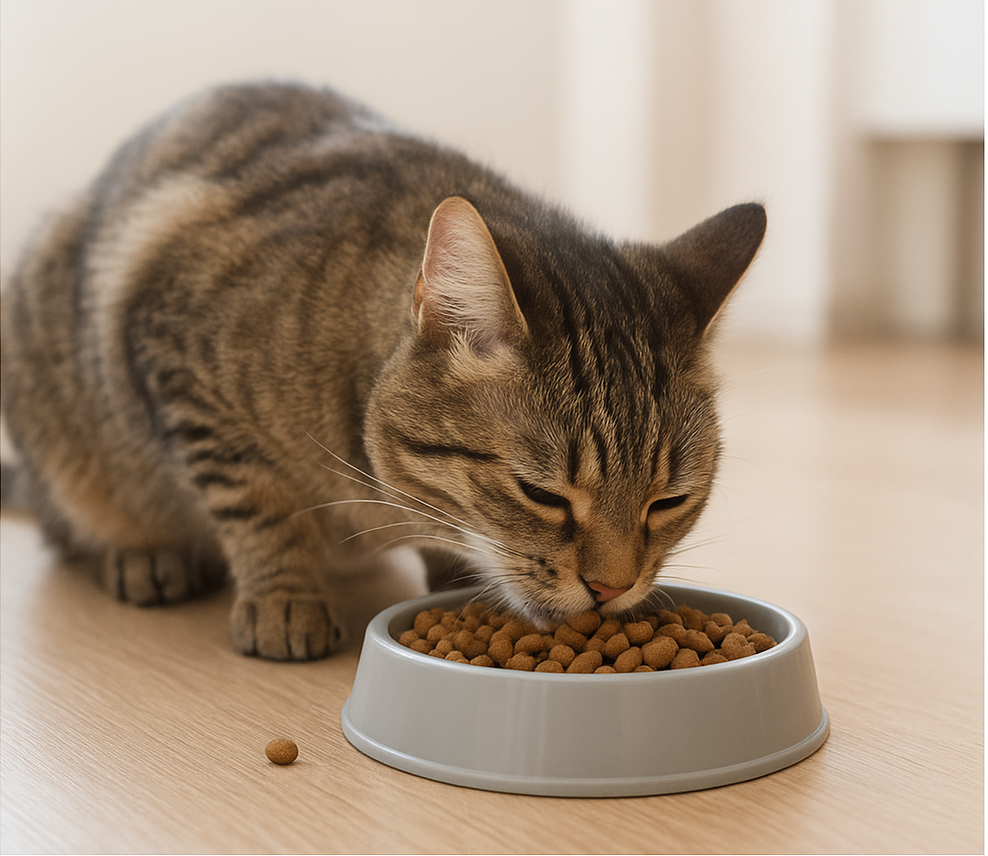
Does Eating Fast Mean “Good” Food? Palatability vs. Quality in Pet Diets
Fast eating ≠ high quality. Slow eating ≠ low quality. Here’s what really matters when you’re judging a dry food.

Palatability vs. Quality: What’s the Difference?
Palatability is how tasty a food is to your pet—flavor, aroma, texture. Manufacturers can increase it with animal fats, gravies, natural flavors, and kibble shapes. Quality is about complete-and-balanced nutrition, digestibility, ingredient sourcing, safety controls, and how your pet looks and feels on the food.
Key point: A food can be extremely tasty and still be mediocre nutritionally. Another food can be excellent nutritionally but not a favorite flavor on day one.
Why Some Pets Eat Slowly (or Seem “Picky”)
- Personality & routine: Some pets graze throughout the day; sudden schedule changes can reduce enthusiasm.
- Stress & environment: New home, visitors, or competing pets can dampen appetite.
- Texture & bowl factors: Kibble size/shape, bowl height or material, and stale food (oxidized fats) all matter.
- Recent treats or table scraps: High-value snacks can overshadow regular meals.
- Health issues: Dental pain, nausea, hairballs (cats), heat, or medication side effects. If slow eating is new or persistent, talk to your vet.
Why Some Pets Gobble Food
- Competition or anxiety: Multi-pet homes can trigger “eat fast before it’s gone.”
- Highly palatable coatings: Fats and broths make food irresistible.
- Hunger & feeding schedule: Long gaps between meals can drive speed-eating.
How to Judge Food Quality (Beyond Eating Speed)
- “Complete & balanced” for life stage: Look for AAFCO/FEDIAF nutritional adequacy statements on the label.
- Transparent protein sources: Named meats (e.g., “chicken,” “salmon”).
- Digestibility & stool quality: Small, well-formed stools and minimal gas often indicate good digestibility.
- Pet outcomes: Steady energy, healthy coat/skin, stable weight, good appetite (not necessarily frantic), and normal bloodwork at checkups.
- Safety & traceability: Reputable manufacturing, quality controls, and clear contact info. Check recall history.
- Fit for the individual: Consider age, size, breed tendencies, and any medical needs (e.g., joint, urinary, weight management).
If Your Pet Eats Slowly: Practical Fixes
- Serve fresh: close the bag tightly; don’t store months past opening; use an airtight bin in a cool, dark place.
- Try warm water or a spoon of warm (unsalted) broth to boost aroma.
- Offer scheduled meals (10–20 minutes, then pick up) rather than all-day grazing—unless your vet advises otherwise.
- Test a different kibble size/shape or a different main protein.
- Feed separately from other pets to reduce pressure; use a quiet spot.
- Rule out dental or medical issues with your veterinarian if the change is sudden.
If Your Pet Eats Too Fast: Safety First
- Use a slow-feeder bowl or scatter feeding to extend mealtime.
- Split daily food into 2–3 meals.
- Separate pets during feeding to reduce competition.
- For dogs at risk of bloat, ask your vet about specific precautions.
Myth Busted: “Voracious eating means high-quality food.” Not necessarily. It usually means the food is highly palatable or the pet is motivated. Quality is measured by nutrition, safety, digestibility, and your pet’s health over time.
When to Call the Vet
Contact your veterinarian if your pet refuses food for more than 24 hours (cats, sooner), vomits, has diarrhea, loses weight, shows drooling or pawing at the mouth, or if appetite changes suddenly without an obvious cause.